

Are Leather Gloves Good for Wet Work?
Last Updated: November 10, 2026
Quick Summary
Leather gloves can handle light wet work, such as damp soil, dew-soaked grass, or brush clearing after rain, but they absorb moisture and are not waterproof. For sustained soaking or standing in water, a waterproof or coated glove is the better choice. Waterproofing treatments can slow water absorption, though they do not make leather fully waterproof.
- Leather suits light wet work; heavy, prolonged wet work usually calls for a synthetic or coated glove.
- Untreated leather absorbs water and stays wet longer than expected, then dries stiff.
- Use a leather-specific waterproofing wax, conditioner, or oil, not silicone sprays or household waxes.
- Dry gloves slowly at room temperature, away from radiators, direct sun, and heaters.
- Condition leather only once it is fully dry, since conditioner on damp leather traps moisture.
Table of Contents
- When Leather Gloves Make Sense for Wet Work
- How to Waterproof Leather Work Gloves
- Will Leather Gloves Shrink If They Get Wet?
- How to Dry Leather Gloves Without Damaging Them
- Best Waterproof Work Gloves and Where Leather Falls Short
- Choosing Your Next Pair for Wet Conditions
- Frequently Asked Questions
When Leather Gloves Make Sense for Wet Work
Leather gloves can handle wet work, but only for certain jobs and a limited time. For brush clearing after rain, muddy tools, or rose bushes on damp mornings, goatskin leather can give useful puncture and abrasion protection. See how leather gloves hold up in thorny, damp rose pruning. For sustained soaking, a waterproof glove is better.
Wet work falls into two categories. Light wet work includes damp soil, dew-soaked grass, and a quick shower while pruning. Heavy wet work means standing in water, rinsing equipment for long periods, or handling saturated materials. Leather suits light wet work well; heavy, prolonged wet work usually calls for a synthetic or coated glove.
Waterproof versus water-resistant protection
Waterproof and water-resistant are not the same, and the difference matters when you shop. A waterproof glove uses a membrane or coating that stops liquid from passing through. A water-resistant glove sheds light moisture for a while but eventually lets water soak in. Untreated leather falls into the second group: it absorbs water, stays wet longer than you expect, and dries stiff if you do nothing about it.
That does not make leather useless in damp conditions. It means you should expect leather to absorb some moisture and plan around it. Wear a dry liner underneath on cold days, and switch to a fresh pair when the first pair is saturated.
Which leather types handle moisture best
Not all leather behaves the same when wet. Goatskin is generally thin and supple, which suits pruning and small tools. Other leathers such as cowhide, pigskin, and deerskin behave differently when wet, and suede is generally less forgiving of moisture.
For wet garden work, goatskin is a common choice for its combination of suppleness and durability.
How to Waterproof Leather Work Gloves
Waterproofing leather gloves can slow water absorption in damp conditions, but it does not turn leather into a fully waterproof barrier.
Use a leather-specific waterproofing wax, conditioner, or oil designed for work gloves.
- Clean and dry the gloves first. Brush off dried mud and grit, then wipe with a damp cloth. Treating over dirt traps abrasive particles and keeps wax from bonding. Let the gloves dry at room temperature for several hours; wax on damp leather can trap moisture underneath.
- Patch test on the inside cuff. Apply a small amount to a hidden area and let it cure for the full time on the label. Darkening is normal with many waxes and oils; stiffness and tackiness mean the product is wrong or was applied too heavily.
- Warm the product if the label allows. Many waxes spread more evenly when warmed in warm water or worked between the palms. Do not microwave or heat directly, since overheated wax can separate or scorch.
- Apply a thin, even coat. Work the product into the palm, fingers, back, and seams with your fingertips or a soft cloth. Focus on the seams and the crotch between thumb and forefinger, the first places water enters. A thin coat that soaks in beats a heavy coat that sits on the surface.
- Let it absorb for the labeled time. Most waxes need a few hours; some need overnight. Rushing leaves excess product that transfers to tools and reduces grip.
- Buff off the excess. Wipe with a dry, lint-free cloth until the surface feels dry rather than slick. Excess wax on the palm is a grip hazard with wet tools.
- Reapply in thin layers rather than one heavy coat. Thin layers applied a day apart are generally preferable to one thick application, because each layer can cure before the next is added.
Watch out: waterproofing waxes and oils can reduce wet grip on smooth tool handles and can soften leather enough to lower abrasion resistance in thorny work.
Reapply when water stops beading, when the leather feels damp through after brief exposure, or after heavy wet use. Retreat only clean, fully dry gloves; wax over a damp or dirty pair seals in moisture and grit.
The steps below summarise the waterproofing process, with the timing each stage calls for.
| Step | What to do | Time or frequency |
|---|---|---|
| Clean and dry | Brush off mud, wipe with damp cloth | Dry several hours |
| Patch test | Apply to inside cuff | Full curing time on label |
| Warm product | Warm in water or between palms | Not heated directly |
| Apply coat | Thin, even coat on seams and palm | Thin coat, not heavy |
| Absorb | Let product soak in | A few hours, some overnight |
| Buff off | Wipe with dry lint-free cloth | Until surface not slick |
| Reapply | Add thin layers | Thin layers a day apart |
Will Leather Gloves Shrink If They Get Wet?
Leather can shrink when soaked and then dried quickly, especially in heat or near a heater. The fibers contract as they dry, and a tight glove can end up noticeably smaller. Soaking in hot water or wringing hard makes it worse.
To avoid shrinkage, rinse off mud with cool water, shake out the excess, and let the gloves air dry slowly away from direct heat. If a glove is already a little snug when wet, stretch it gently while still damp, and pull the fingers into shape. Leather that has been properly conditioned shrinks less than leather that has been left to dry out.
How to Dry Leather Gloves Without Damaging Them
Drying is where most wet leather gloves are ruined, and heat and speed do the damage rather than water itself.
Start by separating surface water from saturation. Surface water sits on the outer hide and lining; saturation means water has moved through the leather into the palm and finger cores.
- Remove the gloves promptly (the CDC). Leaving wet gloves on keeps moisture against the skin, softens the leather further, and encourages odor and mildew. Take them off as soon as the wet task ends.
- Blot, do not wring. Press the gloves between dry towels to pull surface water from the lining and outer hide. Wringing twists the fibers and stretches the seams.
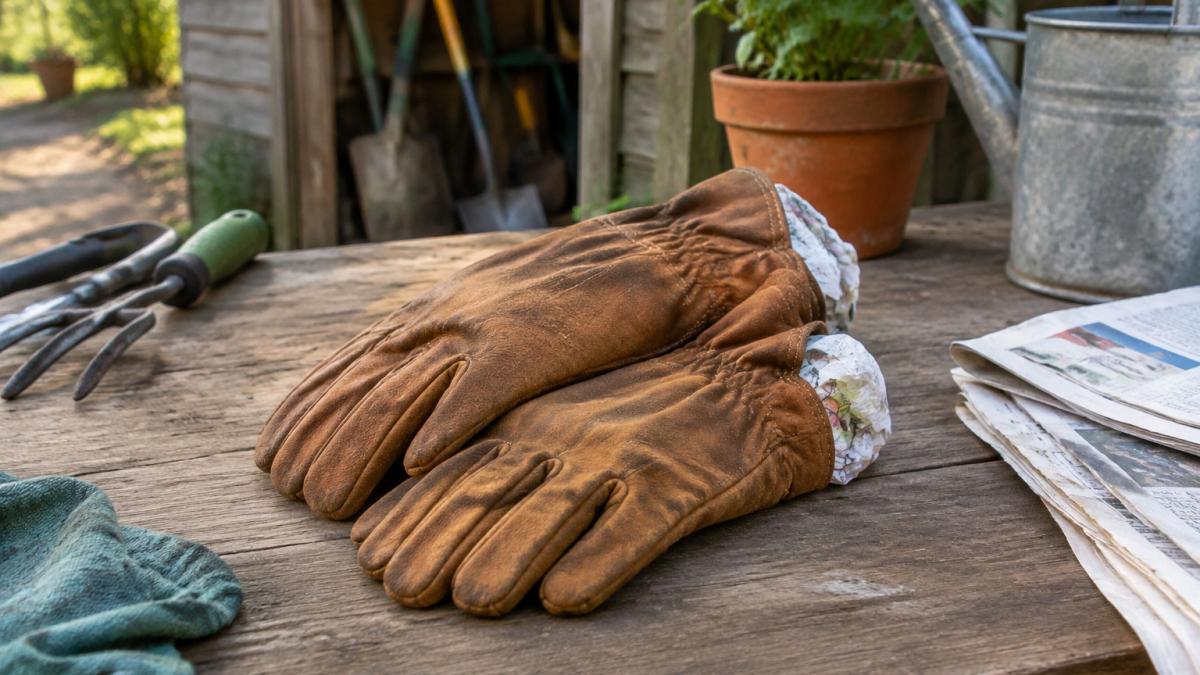
- Stuff the fingers and palm loosely. Use dry newspaper, paper towels, or clean cloth to hold shape and wick moisture from inside. Replace the stuffing once damp, usually after a few hours.
- Dry at room temperature with moving air. Place the gloves on a rack or hang them in a shaded, ventilated area. A fan moving room-temperature air speeds drying without heat damage. Keep them off radiators, out of direct sun, and away from heaters, stoves, and dashboards.
- Allow a full day or more. Thin goatskin may dry through in a day; thicker cowhide palms and padded cuffs often need two. The palm and the seam between thumb and forefinger stay damp longest. Turn the gloves inside out if the lining allows, and check the interior with the back of your hand; coolness or clamminess means moisture remains.
- Condition once fully dry. Work in a small amount of leather conditioner to restore suppleness and reduce stiffness after repeated wet-dry cycles. Condition only dry leather; conditioner on damp leather traps moisture.
Watch out: drying near a heater, in direct sun, or in a hot vehicle can shrink and crack leather within a single cycle, and the damage is permanent.
After drying, inspect before the next use.
Best Waterproof Work Gloves and Where Leather Falls Short
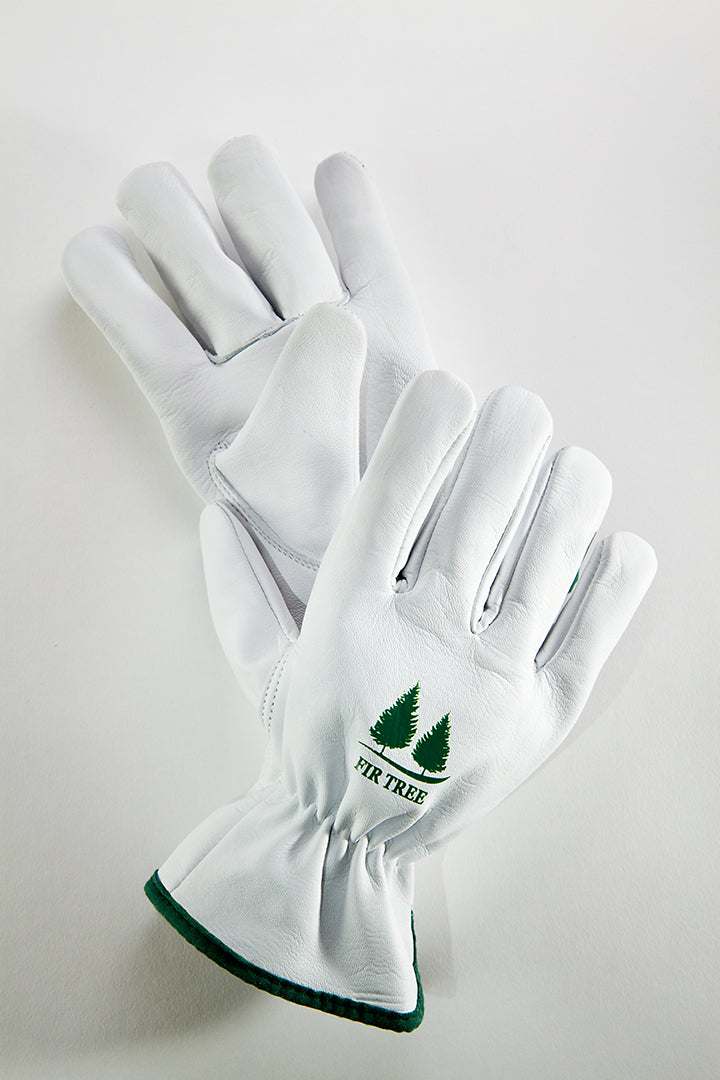
For prolonged wet work, washing equipment, standing water, or handling wet materials for hours, synthetic or rubber-coated gloves usually outperform leather. Compare goatskin leather gardening gloves for outdoor work. Nitrile-coated and PVC-coated gloves keep water out, grip well when wet, and clean easily.
Leather's main limitation is saturation. Once fully soaked, it loses grip on wet tools, stays cold longer, and grows heavy. It also takes time to dry, so a glove used in the rain in the morning may still be damp by afternoon. Know these limits before relying on leather for an entire wet shift.
Choosing Your Next Pair for Wet Conditions
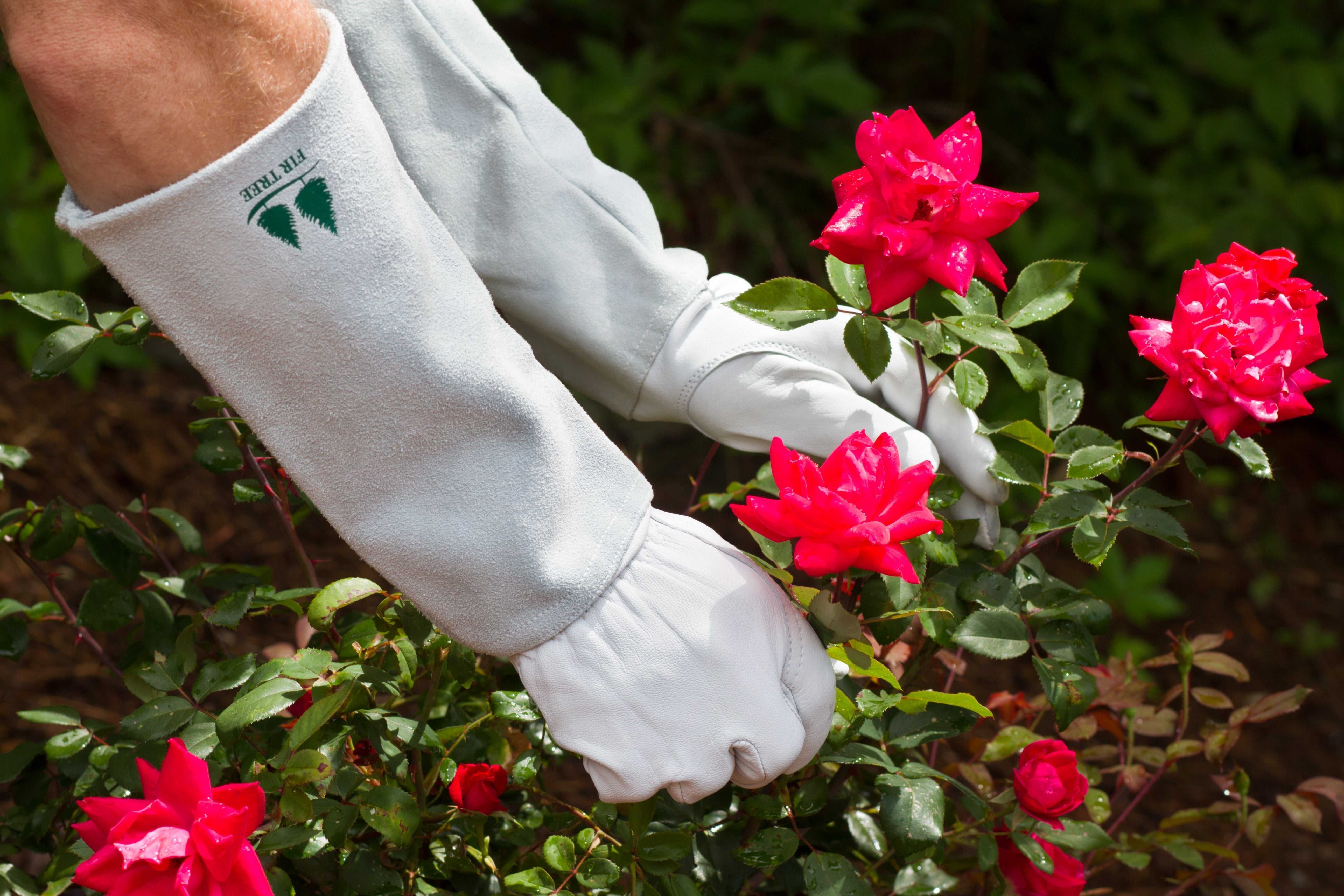
Choose based on the kind of wet work you do most. If you handle thorny roses, brambles, or brush after light rain, a goatskin gauntlet glove gives the protection and dexterity you need, and the longer cuff covers wrists and forearms when reaching into dense shrubs. Browse goatskin gauntlet gloves built for pruning roses.
If you work in sustained water or mud, pair a leather glove with a waterproof outer glove or choose a fully coated synthetic. Check fit before you buy: leather that is too big loses grip, and leather that is too tight stiffens quickly when wet. Try the gloves on with the liner you plan to wear.
Frequently Asked Questions
Are leather gloves water-resistant?
Untreated leather absorbs water and stiffens as it dries, so it is not waterproof on its own. Full-grain leather with a waterproofing wax or conditioner resists light rain and damp soil much better. For saturated, prolonged wet work, a rubber-coated or fully waterproof glove performs more reliably. Treated leather suits brush clearing after rain, handling muddy tools, and general outdoor work where hands get wet but are not submerged for long periods.
Will leather gloves shrink if they get wet?
Leather can shrink or stiffen when soaked, especially if it dries quickly in direct heat. Air drying at room temperature away from radiators and sunlight minimizes shrinkage. Treating the gloves with a leather conditioner after drying helps restore flexibility. Avoid wringing or machine drying, since both distort the shape and can make the leather crack.
How should you dry leather gloves after they get wet?
Remove the gloves promptly and blot off surface water with a clean towel. Stuff them loosely with newspaper or paper towels to hold their shape and draw out moisture, then leave them at room temperature for several hours or overnight. Replace the paper once it becomes damp. Once dry, work in a small amount of leather conditioner to keep the material supple.

