

How to Tell if Leather Gloves Are Causing Your Rash
Quick Summary
Not for everyone. Leather gloves protect against thorns and cuts, but a leather gloves rash can appear in people sensitized to chromium, the chemical most commonly used to tan leather. If your skin reacts to chromium, leather may cause or worsen a rash.
- Leather gloves block thorns, scrapes and cuts well.
- Most leather is tanned with chromium salts that can irritate sensitized skin.
- Sweat, friction and long wear increase the chance of a rash.
- Ask sellers whether leather is chromium-tanned, vegetable-tanned or chrome-free.
- See a dermatologist for patch testing if a rash keeps returning after glove use.
Table of Contents
- Last Updated: November 15, 2026
- Do Leather Gloves Protect Against Rashes?
- Why Leather Can Trigger a Reaction: Chromium and Tanning Chemicals
- Leather Allergy Symptoms to Watch For
- When Leather Gloves Help and When They Make Rashes Worse
- Rash From Gloves Treatment and Patch Testing
- Best Gloves for Eczema-Prone Skin
- Do Eczema Gloves Work? Choosing Your Next Pair
- Frequently Asked Questions
Last Updated: November 15, 2026
Last Updated: November 15, 2026
Leather gloves are a favorite for gardeners who prune thorny roses, but they don't protect everyone's skin, and a "leather gloves rash" can appear in people sensitized to the tanning chemicals. For some people, a pair of chromium-tanned leather gloves can bring on a rash instead of preventing one. This is a question many glove buyers ask, so we looked at what the medical research says. The short answer is that leather gloves protect against cuts and punctures, but they can trigger a rash in people sensitized to chromium.
Do Leather Gloves Protect Against Rashes?
Leather gloves do not protect against rashes for everyone. They block thorns and scrapes well, but the material itself can be the problem. A clinical case report on chromium contact dermatitis from leather gloves describes a patient whose hand dermatitis came back after wearing chromium-tanned leather gloves.
So the real answer depends on your skin. If your skin reacts to chromium, leather may make the rash worse. If it does not, leather can keep your hands safe from the things that irritate them outdoors.
Quick answer:
- Leather gloves protect against physical hazards like thorns and abrasions, but they can still cause a leather gloves rash when the tanning chemicals irritate your skin.
- Leather gloves do not reliably protect against rashes.
- For people sensitized to chromium, leather can cause or worsen a rash.
Why Leather Can Trigger a Reaction: Chromium and Tanning Chemicals
Most leather is tanned with chromium salts. Tanning makes raw hide soft, durable and resistant to rot. The same chemicals that do this job can also leave traces that touch your skin for hours.
Chromium is the main concern. A review of protective glove allergies notes that leather gloves are not suitable for people sensitized to chromium. That warning matters if you already have a reaction to metals or to other glove materials.
Other factors can make it worse:
- Sweat and moisture: Damp leather keeps allergens against the skin longer.
- Long wear: The longer a glove stays on, the more contact your skin has with the material.
- Material quality: Lower-quality leather may have more residual tanning chemicals.
How to Tell Chromium-Tanned from Vegetable-Tanned Leather
This is the question most glove buyers never get answered, and it is the one that matters most if you have sensitive skin. Chromium tanning uses chromium salts and is fast and cheap; vegetable tanning uses plant tannins and is slower and more expensive. Neither process is automatically safe for every person, but vegetable-tanned leather is generally the lower-risk choice for someone with a known chromium sensitivity.
You usually cannot tell the difference by looking at a finished glove. Labels rarely state the tanning method. Instead, use these practical steps:
- Ask the seller directly. Ask whether the leather is chromium-tanned, vegetable-tanned, or chrome-free. A manufacturer that knows its supply chain can answer; one that cannot is a warning sign.
- Look for explicit claims. Terms like "vegetable-tanned," "chrome-free," or "ECCO" (a common chrome-free tanning designation) are meaningful. Vague terms like "genuine leather" or "premium leather" tell you nothing about tanning.
- Check the color and feel. Vegetable-tanned leather tends to be firmer, develops a patina, and often has an earthy smell. Chromium-tanned leather is usually softer, more uniform in color, and may smell faintly chemical. These are tendencies, not guarantees.
- Treat uncertainty as a risk. If you cannot confirm the tanning method and you have reacted to leather before, assume the glove may contain chromium and test it cautiously or choose another material.
Watch out: A glove labeled "hypoallergenic" is not necessarily chromium-free, because the term is not regulated for leather goods. Ask for the tanning method in writing if the seller makes that claim.
Allergic vs. Irritant Contact Dermatitis
Glove rashes come in two main types, and the difference matters for treatment.
Allergic contact dermatitis happens when your immune system reacts to a specific substance, such as chromium. Because repeated exposure can make a reaction recur, identifying the leather and its tanning agents matters, and Prime Sports connects leather choice with the materials that may touch your skin.
Irritant contact dermatitis happens when a substance damages the skin barrier directly. Sweat, friction and harsh cleaning products can all cause it, even if you are not allergic to anything.
A dermatology article on glove-related skin irritation reports that regular glove wearing can lead to irritant contact dermatitis. That means a rash can come from the glove's effect on your skin, not only from an allergy.
Leather Allergy Symptoms to Watch For
Leather-related rashes often look like other skin problems, so it helps to know the signs. Watch for:
- Redness on the hands, wrists or forearms where the glove touches
- Itching that is worse during or after wearing gloves
- Dry, cracked or scaly skin
- Small bumps or blisters
- Swelling or warmth in the affected area
If the rash spreads beyond the glove area, or it does not get better after you stop wearing the gloves, see a doctor. Do not try to diagnose a serious skin problem on your own.
When Leather Gloves Help and When They Make Rashes Worse
Leather gloves are a good choice in some situations and a poor one in others. The key is to match the glove to the cause of your rash risk, not just to the task. Use this decision guide to sort out your situation.
Start With the Cause of Your Rash Risk
Ask yourself what is most likely to irritate your hands in the situation where you plan to wear gloves:
- Physical hazards (thorns, cuts, abrasions, cold, wind): Leather is a strong choice. It blocks these hazards better than most fabrics and keeps skin from drying and cracking in cold, windy conditions.
- Sweat and friction: Leather can trap moisture, so it may worsen irritation if your hands sweat heavily. A cotton liner or a breathable leather like goatskin helps, and you should remove gloves during breaks to let hands dry.
- Chemical exposure: Leather is not a chemical barrier. If you are handling solvents, pesticides, or harsh cleaners, choose a glove rated for that chemical rather than leather.
- Known chromium or leather allergy: Avoid chromium-tanned leather. Choose vegetable-tanned or chrome-free leather only if you can confirm the tanning method, or switch to a non-leather alternative.
- Eczema or sensitive skin without a known leather allergy: Leather may be fine, but test a pair briefly first and keep hands dry. A liner and regular moisturizing reduce flare risk.
Leather Gloves Help When:
- You need protection from thorns, cuts and rough branches
- Your skin has no known reaction to chromium or tanning chemicals
- You work in dry conditions with little sweating
- You want a durable glove for heavy pruning or brush clearing
Leather Gloves May Make Rashes Worse When:
- You have a known reaction to chromium or metals
- Your hands sweat heavily inside the glove
- You wear the same pair for long hours every day
- The leather feels stiff, dyed or has a strong chemical smell
A Quick Test Before You Commit
If you are unsure, try a short wear test. Put the gloves on for 20 to 30 minutes while you do light work, then take them off and check your hands. Stop if you notice itching, redness, or dryness.
Goatskin gauntlet gloves are suited to rose pruning and bramble work, where thorn protection matters most. If you have sensitive skin, start with a short test: wear the gloves for 20 to 30 minutes and check your hands afterward.
The article lays out when leather gloves help and when they can make a rash worse, based on the main risk factor in each situation.
| Situation | Leather gloves | Better choice |
|---|---|---|
| Thorns, cuts, abrasions, cold, wind | Strong choice | Leather |
| Heavy sweating and friction | May worsen irritation | Cotton liner, remove gloves during breaks |
| Chemical exposure | Not a chemical barrier | Glove rated for that chemical |
| Known chromium or leather allergy | Can trigger a rash | Vegetable-tanned or chrome-free leather, or a non-leather glove |
| Eczema without known leather allergy | May be fine | Short test wear, keep hands dry, use a liner |
Rash From Gloves Treatment and Patch Testing
If you think your gloves are causing a rash, take these steps:
- Stop wearing the gloves and let your skin recover.
- Wash your hands with a gentle cleanser and dry them well.
- Apply a plain moisturizer to calm dry, irritated skin.
- See a dermatologist if the rash is severe, spreading or not improving.
A dermatologist can run a patch test to find the cause. Patch testing places small amounts of common allergens on your back for a set time, then checks for a reaction. It is the most reliable way to learn whether chromium or another ingredient is the trigger.
Ask your doctor about patch testing if:
- A rash keeps coming back after glove use
- Several gloves of different types all cause a reaction
- You have a history of skin allergies
Best Gloves for Eczema-Prone Skin
If your skin is sensitive, you do not have to give up on glove protection. Choose gloves with fewer irritating materials and keep your hands dry inside them.

The Goatskin Leather Gardening Gloves are soft, supple and breathable. Goatskin is naturally breathable, and the gloves come in sizes XS to XXL. You can shop our goatskin work gloves at $16.99 for general garden and outdoor work.
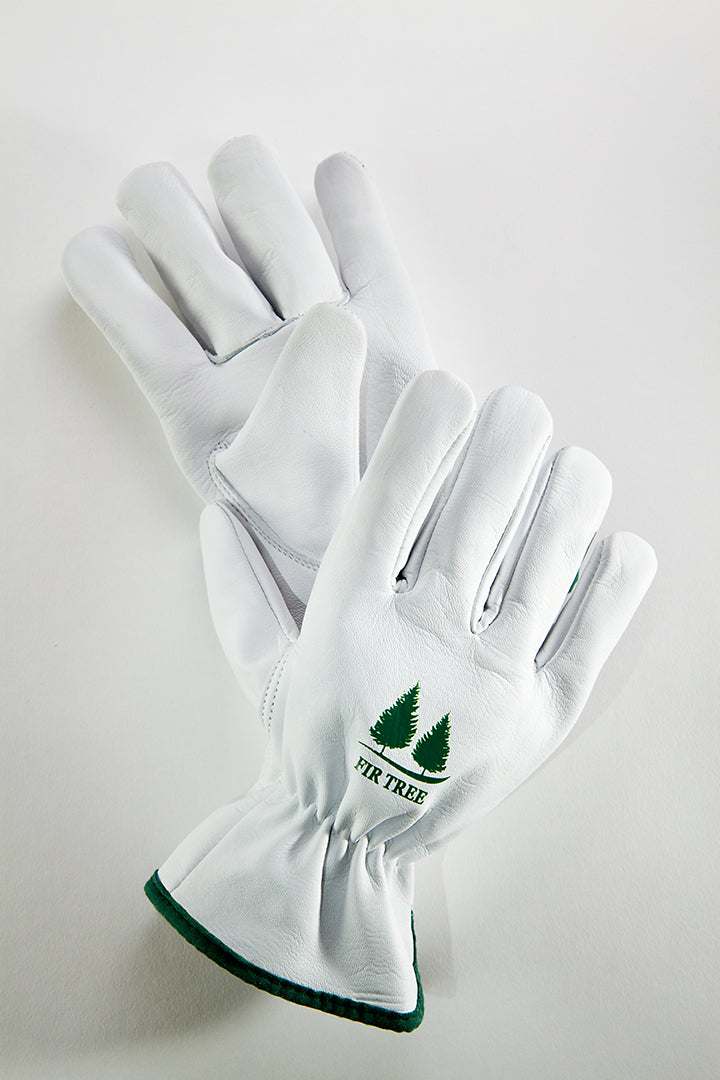
Leather types differ, so ask the seller how the leather is tanned, and look for gloves described as washable so you can clean off residue.
Do Eczema Gloves Work? Choosing Your Next Pair
Eczema gloves can help if they are made for sensitive skin, but no glove works for everyone. Your best option depends on what you are protecting your skin from.
When you choose a pair, check these points:
- Lining: Cotton liners can absorb sweat and reduce direct contact with the leather.
- Fit: A glove that is too tight can trap moisture. Pick a size that fits well without squeezing.
- Care: Wash and dry your gloves after each use. Learn how to care for goatskin gloves so they stay soft and clean.
Our Goatskin Gauntlet Gardening Gloves for rose and thorn protection extend to the elbow, which covers your forearms when you reach into dense brambles. If you have questions about sizing or care before you buy, contact the Fir Tree Gloves LLC team and we will help you choose the right pair.
Leather gloves protect your hands from thorns, but they are not a guaranteed fix for rashes. If the rash keeps coming back, talk to a dermatologist before you buy another pair.
Frequently Asked Questions
Do leather gloves protect against rashes?
Not reliably. Leather can protect against thorns, cuts, and abrasions, but it does not prevent skin rashes. Chromium-tanned leather can trigger a relapse in people sensitized to chromium, as a documented case report describes. A review also cautions that leather gloves are not suitable for people sensitized to chromium. If you already have a rash, see a dermatologist.
What are the symptoms of a leather allergy?
Leather allergy usually appears as contact dermatitis: red, itchy, dry, or inflamed skin where the glove touches, often on the palms, fingers, or wrists. Symptoms may appear within hours or days of wearing the gloves. Rashes can show up in the same areas each time you wear the same pair. Stop wearing the gloves and see a dermatologist if the rash persists.
What are the best gloves for eczema?
For eczema-prone skin, look for gloves with cotton or other soft liners, and avoid chromium-tanned leather if you have a known sensitivity. Vegetable-tanned leather is often a better choice for sensitive hands. Consult a dermatologist for guidance on suitable gloves for your skin.
Do eczema gloves work?
Gloves can serve as a physical barrier against some outdoor irritants. Gloves work best as a barrier when they are made from a material your skin tolerates and kept clean and dry. They are less effective if the glove material itself triggers the reaction, since leather and rubber accelerators are known allergens. Moisturize your hands after gloves come off and replace gloves that become damp or worn.

